
Journal - After vow journey
MY AFTER BOUQUET
“
The flower was never absent. It simply existed in different forms.
”
Journal - After vow journey
.
"THE FLOWER WAS NEVER ABSENT. IT SIMPLY EXISTED IN DIFFERENT FORMS"
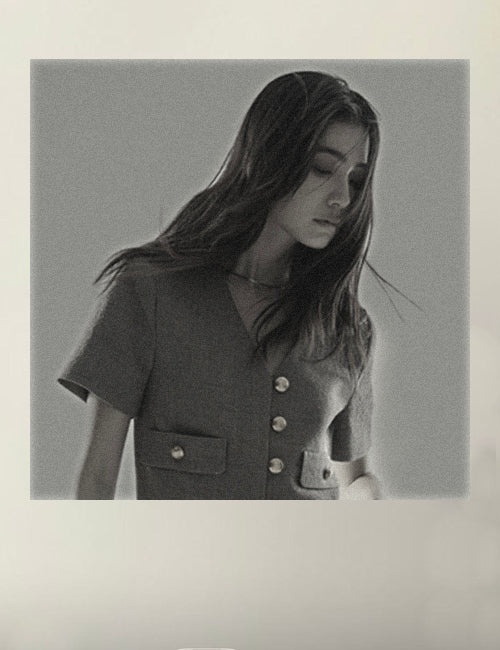
 From the Chriselle Journal: A personal reflection from founder and designer Christine Chan on memory, ritual, and the bouquet that arrived years later.
Walking down the aisle with a bouquet I had always dreamed of was one of those quiet images I carried with me long before the day itself arrived.
Not in a loud or demanding way, but like a soft certainty. A detail I believed would complete the feeling I had been building for years.
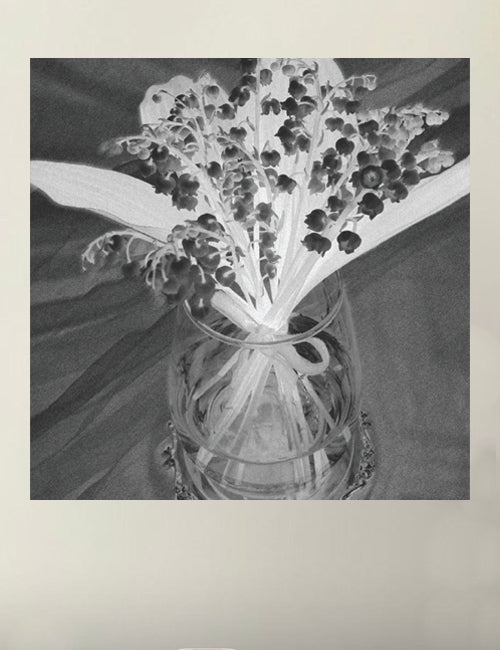
I always imagined lily of the valley. Delicate, almost weightless, it is a flower that never announces itself loudly, yet somehow stays with you long after you've looked away. It was never simply about the flower itself. It was about what it represented: something fleeting, something sacred, something held only for a moment before it disappears.
The irony was that lily of the valley was not in season on my wedding day. As a bridal designer, I have always believed that meaningful details find ways to live beyond their original form.
So instead of carrying the flower in my hands, I carried it elsewhere. Its presence was translated into the silk organza flowers hand-crafted into my gown, into the headpieces I wore close to my face, and into the stationery that quietly accompanied the celebration. The flower was never absent; it simply existed in different forms.
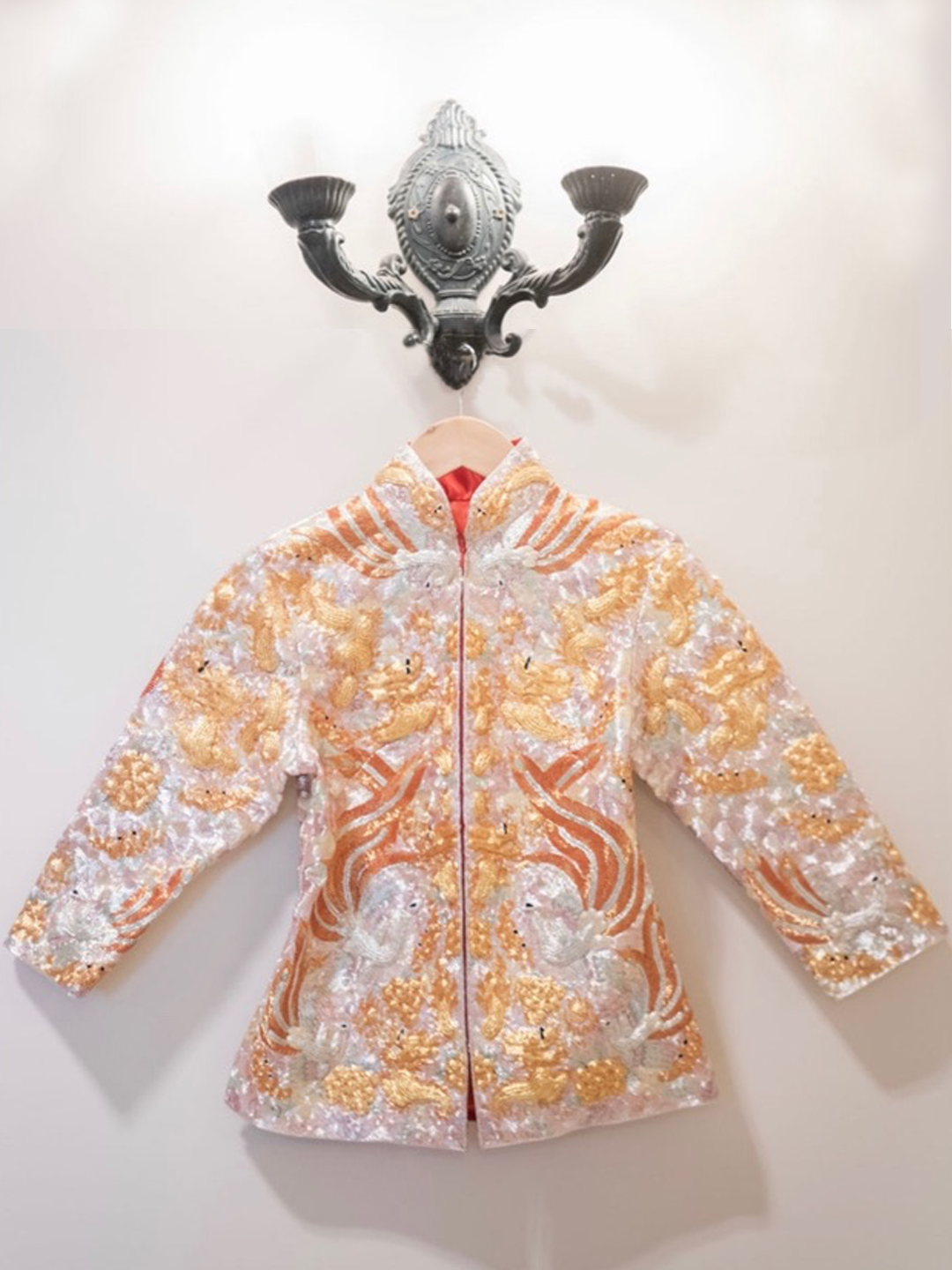
My wedding day was divided into two ceremonies, each carrying its own significance. The morning began with a traditional Chinese tea ceremony, where I wore a made-to-measure kua embroidered especially for the occasion. Later that day, I would change into my bridal gown for the wedding ceremony itself. For each of these moments, I had planned a bouquet.
The first was designed to accompany the kua, balancing the richness of the embroidery with something softer and more delicate. The second was intended for my bridal gown, completing the image I had imagined for years. They were not simply flowers, but part of the language of the day—two bouquets for two chapters of the same story.
I had entrusted the flowers to a florist whose work I deeply admired. Their artistry had inspired countless brides, and I felt completely at ease knowing that this part of the wedding was in experienced hands.
But weddings, like life, rarely unfold exactly as planned. As the morning progressed, the florist never arrived. At first, no one seemed particularly concerned. Delays happen. There was still time. Yet as the hours passed and the ceremony drew closer, a quiet anxiety settled over the room. Phone calls were made, messages were sent, and everyone continued preparing while keeping one eye on the clock.
Eventually, it became clear that the tea ceremony would begin without its bouquet. I remember standing there in my kua, knowing that the flowers intended for that moment simply weren't coming. It wasn't a catastrophe, nor did it diminish the importance of the ceremony itself. The tea was served, family gathered, photographs were taken, and the morning unfolded beautifully.
Yet there was a small sadness in knowing that a detail I had carefully imagined for so long had quietly disappeared from the day.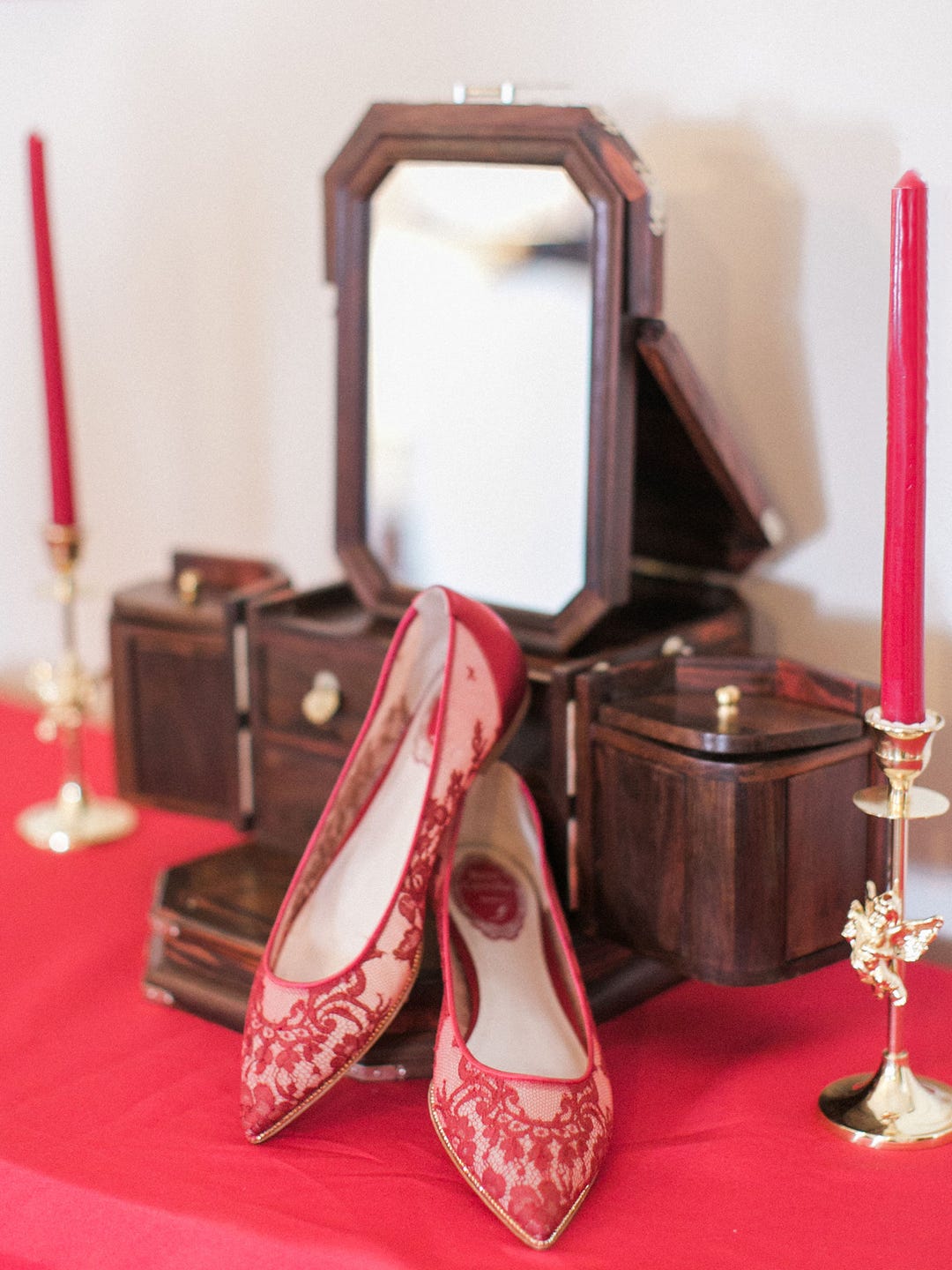
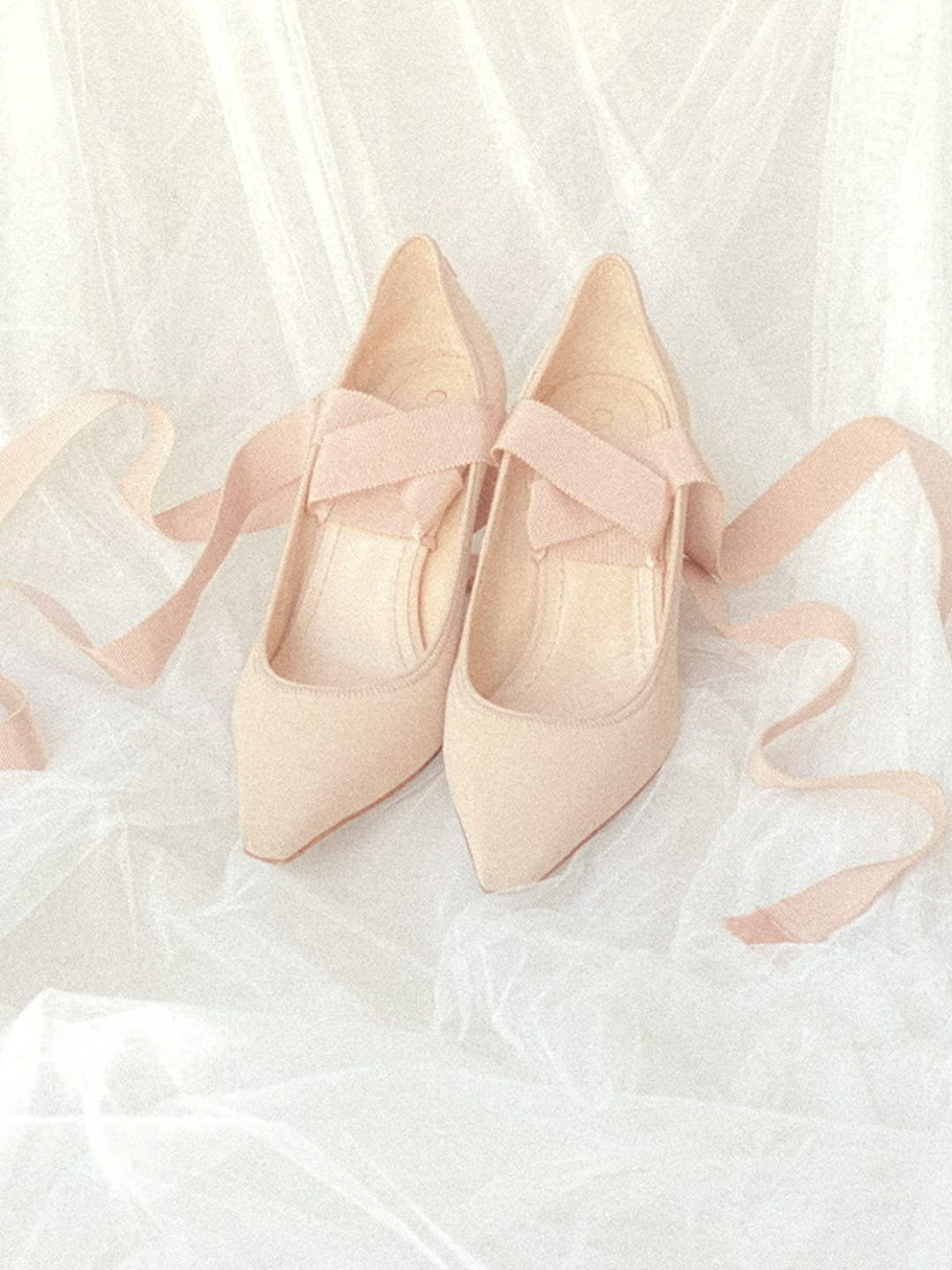
The florist eventually arrived later, only moments before the wedding ceremony. There was at least a bouquet waiting for me as I changed into my gown. But when I looked at it, I knew immediately that it wasn't the bouquet I had imagined.
For a brief moment, I felt suspended between gratitude and disappointment. Grateful that something had arrived. Disappointed that something else had been lost.
Then, almost as quickly as the feeling appeared, it was time to let it go. The music had begun, the guests were waiting, and life was moving forward whether I was ready or not.
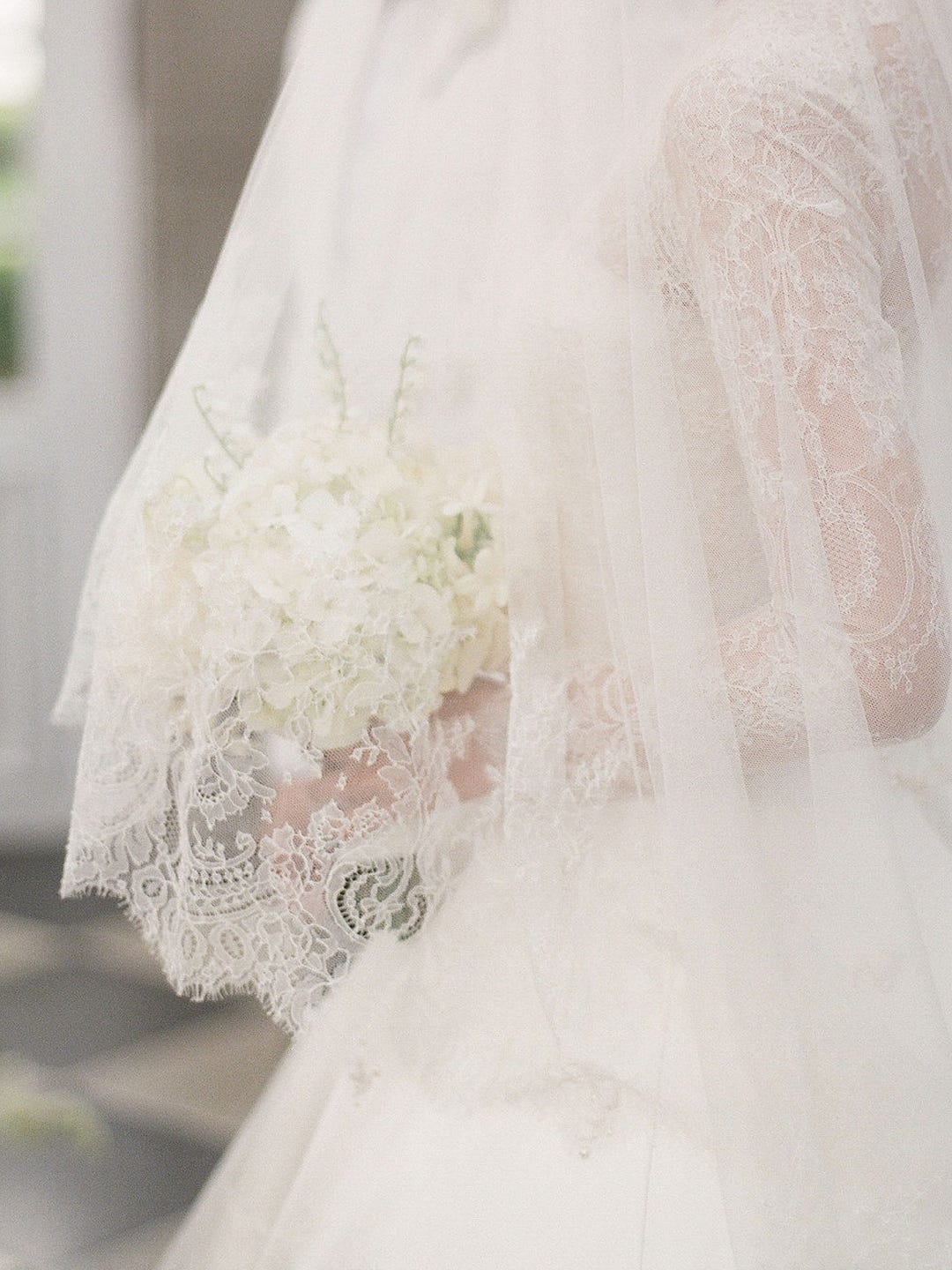
So I picked up the bouquet and walked down the aisle.
Looking back, I realise that the lesson was never really about flowers.
What stayed with me was that strange space between expectation and reality—the moment when something doesn't arrive in the form you imagined, and you are asked to embrace it anyway.
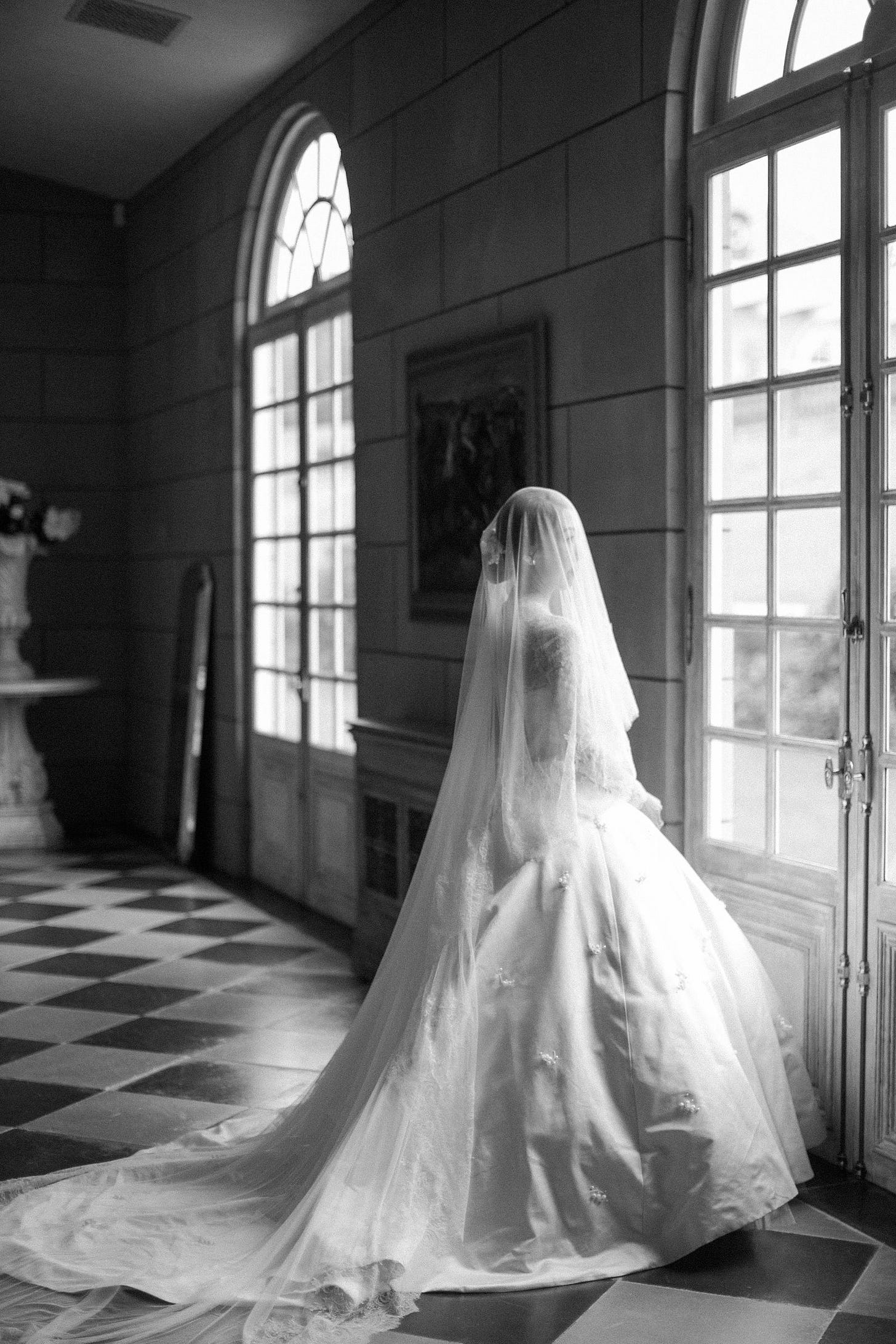
Not everything beautiful arrives as planned. Yet it can still be beautiful.
After the wedding, life moved forward as it always does. The dress was packed away, the photographs were delivered, and the flowers faded into memory. Most of the details of that day found their place in the past.
But every so often, I would think about those bouquets. Not with bitterness, and not even with regret. Only with the feeling that something remained unfinished.
Years later, when lily of the valley returned to season, I found myself drawn to it once again. This time there was no wedding, no audience, and no occasion to justify buying it. I simply wanted to.
As I held those small white blooms in my hands, I felt something unexpected. It wasn't sadness for what had happened, nor was it a desire to recreate the past. Instead, it felt like a quiet act of completion—as though I was finally giving myself something I had been waiting for all along.
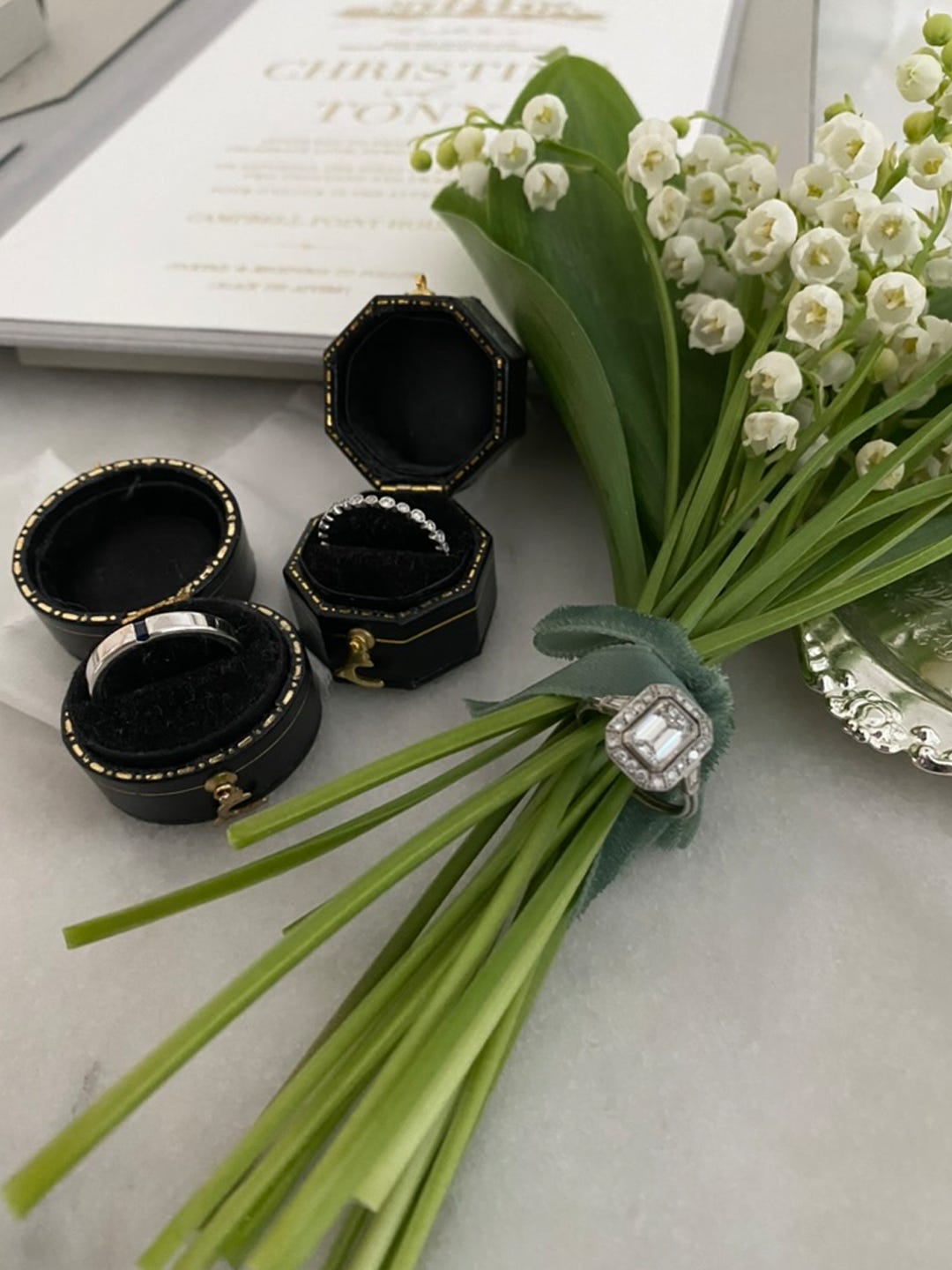
And so I created what I now call my After Bouquet.
Not to replace the bouquet I never had, nor to correct what went wrong on my wedding day. Rather, it was a way of honouring a feeling that had quietly stayed with me through the years.
It taught me something I have come to believe about beauty, memory, and even life itself: some things are not meant for the moment we originally imagined. Sometimes they arrive later, when we are finally ready to receive them.
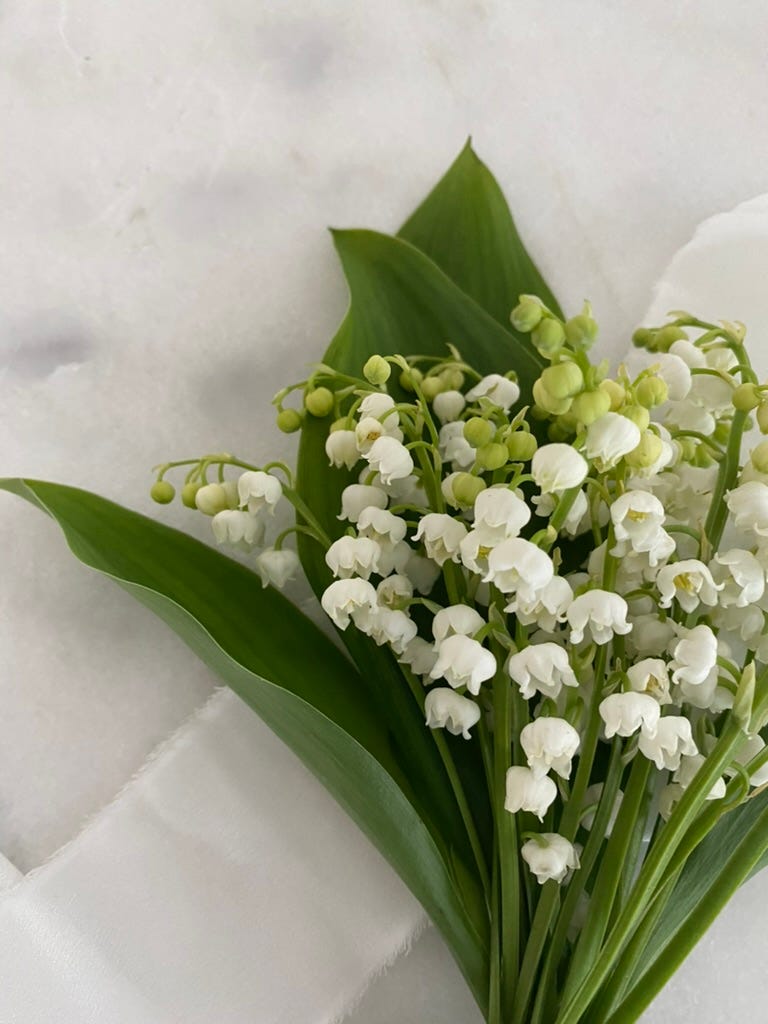
P.S. A bouquet — after all, does not belong only to a wedding. Sometimes it belongs to everything that comes after.
Avec amour,
Christine Chan
Founder & Creative Director